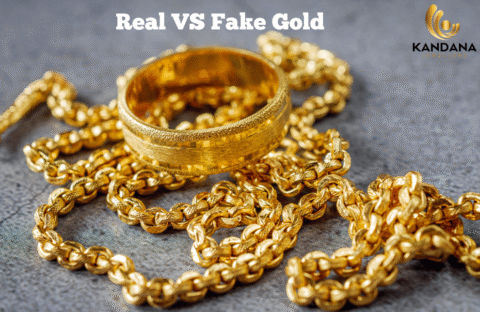

Gold jewellery has been a symbol of elegance, tradition, and timeless beauty for centuries. Whether you’re investing in a wedding band, selecting an engagement ring, or purchasing a meaningful gift, understanding gold purity is essential to making an informed decision. Many first-time jewellery buyers find themselves confused by terms like 22K, 18K, and 14K gold, wondering which option best suits their needs and lifestyle.
At Kandana Jewellers, we believe that every customer deserves to understand exactly what they’re purchasing. This comprehensive guide will demystify the world of gold karatage, explain the differences between various gold purities, and help you choose the perfect piece for your collection.
What Does Karat Mean?
The term karat (often abbreviated as K or Kt) refers to the purity of gold in a piece of jewellery. It indicates the proportion of pure gold content in relation to other metals used in the alloy.
The karat scale ranges from 10K to 24K, with 24K being pure gold. However, this doesn’t mean higher karat always means better jewellery. Pure gold is extremely soft and malleable, making it unsuitable for most jewellery applications. This is why jewellers combine pure gold with other metals (called alloys) such as copper, silver, zinc, and nickel to create durable, wearable pieces.
The Karat System Explained
Here’s a simple breakdown of the karat system:
24K Gold = 100% Pure Gold (99.9%)
- The highest purity available
- Too soft for everyday jewellery
- Best used for investment pieces, coins, and bars
22K Gold = 91.6% Pure Gold
- Contains 22 parts gold and 2 parts alloy metals
- Bright, rich yellow color
- Suitable for special occasions and traditional designs
18K Gold = 75% Pure Gold
- Contains 18 parts gold and 6 parts alloy metals
- Excellent balance of purity and durability
- Rich, warm hue with good strength
14K Gold = 58.3% Pure Gold
- Contains 14 parts gold and 10 parts alloy metals
- Highly durable and resistant to scratches
- Ideal for everyday wear jewellery
10K Gold = 41.7% Pure Gold
- Contains 10 parts gold and 14 parts alloy metals
- Most durable option
- Budget-friendly but less lustrous
Understanding Hallmarks and Certification Numbers
When you purchase gold jewellery, you’ll notice stamps or markings called hallmarks on the piece. These marks are more than just decorative—they’re official certifications of purity that protect consumers.
What Are Hallmarks?
Hallmarks are official markings that indicate the purity of gold in a piece of jewellery. In many countries, especially India, hallmarking is mandatory for gold and silver jewellery sold to consumers.
The Millesimal Fineness System
Gold purity is also expressed using a three-digit number representing parts per thousand of pure gold:
| Karat | Purity Percentage | Hallmark Number |
|---|---|---|
| 24K | 99.9% | 999 |
| 22K | 91.6% | 916 |
| 18K | 75% | 750 |
| 14K | 58.3% | 585 |
| 10K | 41.7% | 417 |
BIS Hallmark: Your Assurance of Quality
In India, the Bureau of Indian Standards (BIS) maintains rigorous hallmarking standards. When you see a BIS hallmark on gold jewellery, it means:
- The piece has been tested by an authorized testing laboratory
- The purity meets BIS standards
- The jewellery conforms to national and international quality guidelines
- You have a certified guarantee of authenticity
A complete BIS hallmark includes:
- The BIS Logo: A triangular mark indicating third-party verification
- Purity Grade: Numbers like 916 (22K), 750 (18K), or 585 (14K)
- Assay Centre Mark: The unique identifier of the testing laboratory
- Year Code: An alphabetical code representing the year of hallmarking
- Jeweller’s Mark: The registered logo or license number of the jeweller
Comparing 22K, 18K, and 14K Gold
Understanding the differences between these three popular gold purities will help you make the best choice for your needs.
22K Gold: The Premium Choice
Purity: 91.6% pure gold
Composition: 22 parts gold mixed with 2 parts alloy metals (typically copper, silver, or zinc)
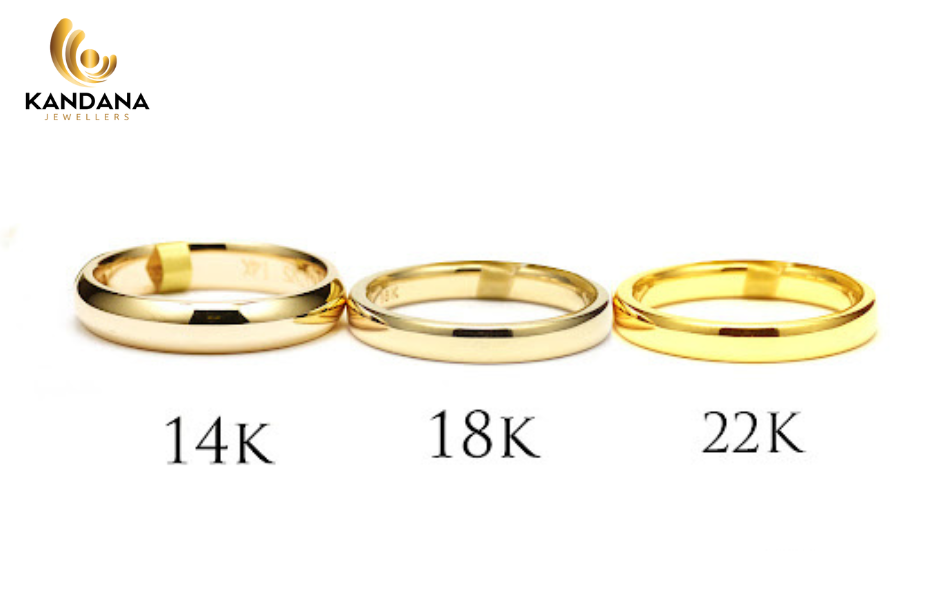
Color: Bright, vibrant yellow with a luxurious golden sheen
Durability: Moderate—prone to scratches and bending with daily wear
Best For:
- Traditional gold jewellery designs
- Bangles and bracelets (worn less frequently)
- Statement necklaces
- Special occasion pieces
- Pieces meant for display rather than daily wear
- Wedding jewellery worn on specific occasions
Advantages:
- Rich, authentic gold color that’s immediately recognizable
- Higher gold content means better resale value
- Ideal for intricate, detailed designs that showcase craftsmanship
- Better investment potential due to high gold content
- Preferred in traditional and Indian jewellery designs
Disadvantages:
- Less suitable for high-contact jewellery (like engagement rings)
- May scratch or bend with regular wear
- Requires careful maintenance
- Higher price due to higher gold content
Price: Most expensive option due to maximum gold content
18K Gold: The Luxury Balance
Purity: 75% pure gold
Composition: 18 parts gold mixed with 6 parts alloy metals
Color: Rich, warm yellow—deeper than 14K but slightly less vibrant than 22K
Durability: Durable—softer than 14K but harder than 22K
Best For:
- Fine jewellery such as necklaces and earrings
- Engagement rings and occasional-wear rings
- Watches and luxury accessories
- Pieces combining durability with premium aesthetics
- Professional and formal jewellery
Advantages:
- Excellent balance between purity and strength
- Beautiful warm color that appeals to many buyers
- Durable enough for occasional daily wear
- Good resale value—retains worth better than 14K
- Softer than 14K, making it easier for jewellers to create detailed designs
- Hypoallergenic compared to lower karats
- International standard for fine jewellery
Disadvantages:
- More expensive than 14K
- Not ideal for high-wear pieces like daily-use rings
- May require more maintenance than 14K
- Less suitable for very delicate or intricate designs
Price: Mid-range—more affordable than 22K, more expensive than 14K
14K Gold: The Everyday Workhorse
Purity: 58.3% pure gold
Composition: 14 parts gold mixed with 10 parts alloy metals
Color: Lighter yellow—more pale compared to higher karats but still distinctly gold
Durability: Highly durable—resists scratches, dents, and bending
Best For:
- Everyday jewellery like wedding bands and engagement rings
- Rings and bracelets subjected to frequent wear
- Professional jewellery worn to the office
- Jewellery for active lifestyles
- Budget-conscious buyers seeking quality
- Children’s jewellery (greater durability)
- Sports and casual jewellery
Advantages:
- Most durable option for everyday wear
- Resistant to scratches, bending, and deformation
- More affordable than 18K and 22K
- Requires minimal maintenance
- Excellent value for money
- Best choice for pieces you’ll wear daily
- Widely available and recognized
Disadvantages:
- Lower gold content means lower resale value
- Lighter color may not appeal to those preferring richer gold tones
- Contains more alloy metals, which may cause allergic reactions in sensitive individuals
- Less luxurious appearance compared to higher karats
Price: Most affordable option
Quick Comparison Table
| Feature | 22K Gold | 18K Gold | 14K Gold |
|---|---|---|---|
| Purity | 91.6% | 75% | 58.3% |
| Durability | Moderate | Durable | Highly Durable |
| Color | Bright Yellow | Rich Warm Yellow | Light Yellow |
| Scratch Resistance | Low | Moderate | High |
| Price | Highest | Medium | Lowest |
| Best For | Special Occasions | Fine Jewellery | Daily Wear |
| Maintenance | Regular | Moderate | Minimal |
| Resale Value | Highest | High | Moderate |
How to Choose the Right Gold Purity for You
Selecting the perfect gold purity depends on several personal factors. Here’s how to make the right choice:
1. Consider Your Lifestyle
For Active Lifestyles: If you exercise regularly, play sports, or work in demanding conditions, 14K gold is your best choice. Its superior durability means your jewellery will withstand the rigors of an active day.
For Professional Settings: 18K gold offers the perfect blend of sophistication and durability for office wear and formal occasions.
For Occasional Wear: 22K gold is ideal if you’re purchasing a piece you’ll wear only on special occasions, like wedding jewellery or festive occasions.
2. Assess the Type of Jewellery
Rings: Rings endure constant contact and friction. Choose 14K or 18K gold. If you prefer a more luxurious appearance, 18K is excellent; for maximum durability, 14K is preferable.
Necklaces and Pendants: These receive less friction than rings. Any of the three options work well, depending on your style preference. 22K offers a richer appearance for statement pieces, while 18K provides an elegant balance.
Bracelets: Daily-wear bracelets should be 14K for maximum durability. Special occasion bracelets can be 18K or 22K for their luxurious appearance.
Earrings: Earrings are versatile and can be crafted in any karat. Choose based on your preference—22K for a luxurious look or 14K/18K for everyday wear.
3. Evaluate Your Budget
- Limited Budget: 14K gold offers excellent quality and durability at the most affordable price point.
- Medium Budget: 18K gold provides a premium appearance and better durability than 22K without the highest price tag.
- Premium Budget: 22K gold delivers the richest color and highest resale value for those investing in special pieces.
4. Consider Your Skin Sensitivity
Some individuals experience allergic reactions to certain metals mixed with gold. Here’s what you should know:
- Nickel Sensitivity: Common in lower karats. If you’re allergic to nickel, 18K or 22K gold is safer as they contain fewer problematic alloys.
- Sensitive Skin: Higher purity gold (18K and 22K) is generally hypoallergenic and better for sensitive skin.
- Test First: If unsure, wear a higher karat gold piece for a short period to test your skin’s reaction.
5. Think About Resale Value
If you view your gold jewellery as an investment:
- Best Resale Value: 22K gold retains the highest resale value due to its maximum gold content
- Good Resale Value: 18K gold holds its worth reasonably well
- Moderate Resale Value: 14K gold resells for less but is still salvageable at gold spot prices
The price difference between karats fluctuates with the gold market, so always check current rates with a trusted jeweller.
6. Personal Style Preferences
- Prefer Rich Yellow Color: Choose 22K gold for its bright, unmistakable golden hue
- Prefer Warm, Refined Look: 18K gold offers a sophisticated, slightly more muted golden tone
- Prefer Versatile Appearance: 14K gold works beautifully in contemporary designs and pairs well with gemstones
Verifying Gold Authenticity
When purchasing from Kandana Jewellers, authenticity is guaranteed. However, here are ways to verify the gold quality of any jewellery:
1. Check for Hallmarks
The most reliable indicator of authenticity is the presence of proper hallmarks. Look for:
- A three-digit number (916, 750, 585, etc.)
- The BIS logo (triangular mark)
- The assay center’s unique mark
- The jeweller’s registered mark
Hallmarks are typically found on the inside of rings, the clasp of necklaces, or inconspicuous areas of the piece.
2. Weight and Density Test
Genuine gold is significantly denser than most base metals. A professional jeweller can weigh and measure the piece to confirm density, ensuring authenticity.
3. Magnet Test
Gold is non-magnetic. A strong magnet should not attract pure gold jewellery. If your piece is attracted to a magnet, it contains ferrous metals and is likely not pure gold.
4. Visual Inspection
Examine the jewellery for:
- Even wear patterns (genuine gold wears uniformly)
- Consistent color throughout
- Professional finish and craftsmanship
- No peeling or flaking (signs of gold plating)
5. Professional Testing
For valuable pieces, ask your jeweller to perform:
- Acid testing: A small test on a discrete area using acid solutions specific to each karat
- X-ray Fluorescence (XRF): A non-destructive, highly accurate method
- Fire assay: The most definitive test, though it’s destructive
Gold Color Variations
Pure gold is naturally yellow, but the color of jewellery varies based on karat and alloy metals used. Understanding these variations helps you choose the perfect shade for your skin tone and style preferences.
Yellow Gold
The classic and traditional choice, yellow gold is created by mixing pure gold with alloys like copper and zinc. 22K and 18K yellow gold display the richest, most recognizable golden hues.
White Gold
Created by mixing gold with metals like nickel, palladium, or silver, white gold is often rhodium-plated (a silvery coating) for enhanced brightness. It offers a modern, sophisticated look and pairs beautifully with diamonds and gemstones.
Rose Gold
A contemporary favorite, rose gold is crafted by combining gold with a higher proportion of copper, creating a warm, pinkish tone. Rose gold flatters warm skin tones and offers a romantic, elegant aesthetic.
Factors Affecting Color
- Higher Karat = Deeper Yellow: 22K gold displays a brighter, more authentic yellow than 14K
- Alloy Selection: Different alloy combinations create different tones
- Rhodium Plating: Can temporarily enhance the brightness of white gold
- Tarnishing: Over time, some colors may develop a patina; regular cleaning restores shine
Caring for Your Gold Jewellery
Proper maintenance ensures your gold pieces remain beautiful for generations. Here’s how to care for your investment:
Daily Care Tips
Remove Before Water Exposure: Chlorine, saltwater, and even soap can damage gold over time. Remove your jewellery before swimming, bathing, or washing dishes.
Avoid Chemical Exposure: Remove jewellery when using cleaning products, applying lotion, perfume, or hairspray. Makeup can also create buildup on gold.
Put On Last: Apply cosmetics and grooming products before putting on your jewellery to minimize exposure.
Be Mindful During Physical Activity: Remove rings and bracelets before sports or workouts to prevent scratches and impacts.
Limit Friction: Avoid wearing multiple pieces that rub together, as gold is soft and can scratch easily.
Regular Cleaning
Clean your gold jewellery monthly to maintain its shine:
Simple At-Home Method:
- Mix 10 parts warm water with 2 parts mild dish soap
- Soak your jewellery for 3 hours
- Gently scrub with a very soft brush or cloth
- Rinse thoroughly under clean water
- Pat dry with a soft cloth—never use paper towels
- Polish with a jewellery polishing cloth
For Delicate Pieces: Avoid using brushes on jewellery with soft gemstones, pearls, or crystals. Instead, soak and rinse gently.
Professional Maintenance
Schedule professional cleaning and inspection with Kandana Jewellers:
- Twice Yearly: For daily-wear pieces
- Annually: For occasional-wear jewellery
- As Needed: When you notice significant tarnishing or damage
Professional jewellers have specialized equipment and expertise to polish out scratches and restore brilliance.
Storage Tips
Individual Storage: Store each piece separately to prevent scratching. Use:
- A fabric-lined jewellery box with individual compartments
- Soft cloth wraps (phone screen cloths work perfectly)
- Silk pouches or jewellery bags
Avoid Moisture: Store in a dry location to prevent tarnishing and oxidation.
Keep Away from Direct Sunlight: Extended exposure can fade some alloys over time.
Use Acid-Free Packaging: Ensure storage materials don’t contain acids that could damage gold.
Common Questions About Gold Jewellery
Is 22K Gold Better Than 14K Gold?
Not necessarily. The “best” gold purity depends on your specific needs. 22K gold is superior for special occasion pieces and investment value, while 14K gold is superior for everyday durability. Both are excellent choices for different applications.
Can You Wear 22K Gold Every Day?
While possible, it’s not recommended. 22K gold is softer and more prone to scratches and bending with daily wear. Reserve 22K pieces for special occasions and daily-wear rings for 14K or 18K.
Is Higher Karat Gold Always More Expensive?
Yes. Higher karat gold contains more pure gold, making it more expensive per gram. However, a delicate 18K piece might cost less than a heavier 14K piece.
Does Gold Tarnish?
Pure gold doesn’t tarnish. However, alloy metals in lower karat gold can oxidize, causing discoloration. Regular cleaning prevents this.
Can I Mix Different Karats in One Piece?
Yes. Many jewellers create pieces combining different karats for aesthetic or functional reasons. A ring might have a 22K gold band with an 18K gold setting for a diamond.
What’s the Difference Between Gold Plating and Solid Gold?
Solid gold contains the designated karat throughout the entire piece. Gold plating is a thin layer of gold over a base metal. Solid gold is always preferable for durability and resale value.
How Often Should I Get My Gold Jewellery Cleaned Professionally?
At least once annually for occasional-wear pieces, and twice yearly for daily-wear jewellery. More frequent professional cleaning (quarterly) is beneficial for heavily worn pieces.
Why Choose Kandana Jewellers
At Kandana Jewellers, we are committed to providing our customers with:
Certified Quality: All our jewellery carries proper BIS hallmarks, guaranteeing purity and authenticity.
Expert Guidance: Our knowledgeable staff can help you select the perfect gold purity and design for your lifestyle and preferences.
Competitive Pricing: We offer fair, transparent pricing that reflects the true value of gold and craftsmanship.
Exceptional Craftsmanship: Each piece is created with meticulous attention to detail and traditional artisanal techniques.
Customer Service: We stand behind every purchase and provide support, cleaning, and maintenance services.
Wide Selection: Our diverse collection includes 22K, 18K, and 14K gold pieces in traditional and contemporary designs.
Understanding the differences between 22K, 18K, and 14K gold empowers you to make informed decisions when purchasing jewellery. Whether you’re selecting an investment piece for a special occasion or choosing daily-wear jewellery that will last a lifetime, the right karat depends on your lifestyle, preferences, and budget.
At Kandana Jewellers, we believe that every customer deserves transparent information and exceptional quality. Our collection features certified, hallmarked pieces in all popular karats, crafted with dedication to excellence.
Visit Kandana Jewellers today to explore our stunning selection and receive personalized guidance from our experts. With over [number] years of experience in the jewellery industry, we’re here to help you find the perfect piece that reflects your style and values.
Remember: The best gold is the gold you’ll love wearing. Whether it’s 22K, 18K, or 14K, choose with confidence knowing you’re making an informed decision.
About Gold Purity Standards
The karat system used worldwide originated centuries ago and remains the international standard for measuring gold purity. The Bureau of Indian Standards (BIS) maintains rigorous hallmarking requirements to protect consumers and ensure market integrity. When you purchase hallmarked gold jewellery, you’re investing in a product that meets strict governmental and international quality standards.
Your satisfaction and trust are our highest priorities at Kandana Jewellers. Explore our collection and discover why thousands of customers choose us for their gold jewellery needs.